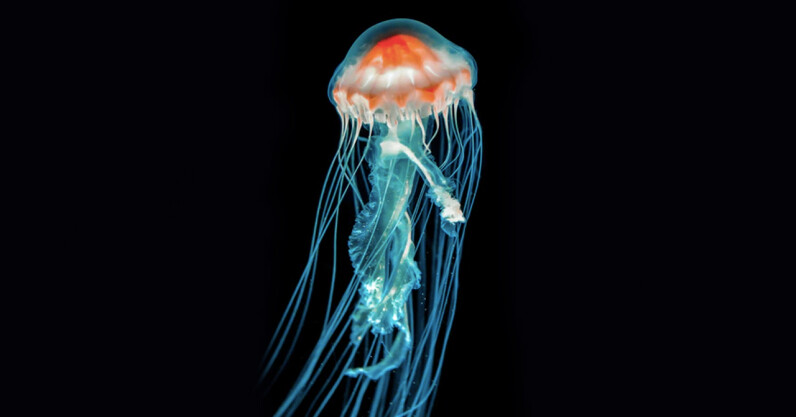
Watson and Crick, Schrödinger and Einstein all made theoretical breakthroughs that have changed the world’s understanding of science. Today big, game-changing ideas are less common. New and improved techniques are the driving force behind modern scientific research and discoveries. They allow scientists – including chemists like me – to do our experiments faster than before, and they shine light on areas of science hidden from our predecessors. Three cutting-edge techniques – the gene-editing tool CRISPR, fluorescent proteins, and optogenetics – were all inspired by nature. Biomolecular tools that have worked for bacteria, jellyfish, and algae for millions of years are…
This story continues at The Next Web


No comments:
Post a Comment