Privacy Policy

Sunday, 30 April 2023

Bob Norris: The Unsmoking Marlboro Man and the Legacy of an Iconic Campaign

Bob Norris, the very first Marlboro Man, had a chance encounter with fame when he was spotted in a photo alongside the famous John Wayne. Serving as the face of the Marlboro Man for 12 years, it’s surprising to note that Bob never actually smoked a single cigarette. As a responsible parent, he consistently advised his children against smoking. One day, when his kids questioned him about the contradiction between his job and his beliefs, he decided to leave his role as the Marlboro Man immediately.

Initiated in 1955, the Marlboro Man campaign became one of the most astonishing marketing strategies in the history of product promotion. Marlboro’s sales surged from a mere 1% to the fourth best-selling cigarette brand. Accompanying the renowned cowboy figure, the brand developed a second ‘Marlboro Man’ for advertising purposes. This character, a stylish, urban, African-American figure, was specifically designed to captivate the attention of the African-American audience.

A single creative mind, Leo Burnett, was responsible for the conception of numerous iconic advertising mascots, including the Marlboro Man, Jolly Green Giant, Tony the Tiger, Pillsbury Doughboy, and Keebler Elves, among others.

Tragically, several models who assumed the role of the Marlboro Man succumbed to smoking-related illnesses. Among them, Wayne McLaren, another Marlboro Man, passed away from lung cancer. In his final moments, he left a poignant message: “Take care of the children. Tobacco will kill you, and I am living proof of it.”


from Crazy Facts https://ift.tt/F1GCmMZ
via gqrds

Saturday, 29 April 2023

Government Cheese: A Controversial Chapter in US History

In the 1980s, the US government found itself with a massive surplus of cheese due to volatile milk production and federal support for the dairy industry. With over 500 million pounds of processed American cheese stored in warehouses across 35 states, the government struggled to find a use for it. When the public discovered the surplus, they criticized President Ronald Reagan for not distributing the cheese to struggling families.

In response, Reagan authorized the release of 30 million pounds of cheese through the Temporary Emergency Food Assistance Program, targeting the elderly and low-income individuals. Dubbed “government cheese,” it became a symbol of hard times, with some grateful for the assistance, while others felt it stigmatized their socioeconomic status. The cheese distribution continued until the 1990s when dairy prices stabilized.

After the cheese distribution ended in the 1990s, the Commodity Credit Corporation (CCC), the government-owned corporation responsible for the surplus, faded from the headlines. However, it resurfaced during the Trump administration when it was announced that the CCC would provide significant subsidies to offset the impact of trade wars with China, Canada, and the European Union.

In retrospect, the “government cheese” program remains a controversial and memorable chapter in US history. Some people remember the cheese fondly for the assistance it provided during difficult times, while others still associate it with the humiliation of revealing their economic hardships. The cheese itself, with its unique flavor and texture, has become a cultural touchstone, evoking memories of a challenging period in American history.

For those who have experienced the taste of “government cheese,” it leaves a lasting impression. The cheese’s flavor is often characterized as a mix between Velveeta and American cheese, evoking feelings of either humiliation or appreciation for those who relied on it for sustenance. Its distinctive pale orange hue and iconic five-pound blocks quickly set it apart from common cheddar or Camembert.


from Crazy Facts https://ift.tt/KxweDTz
via gqrds

Hidden Treasure: $4 Frame Reveals Rare Declaration of Independence Copy

In 1989, a man purchased an unappealing artwork for its $4 frame, only to find one of the 26 existing copies of the United States’ Declaration of Independence concealed behind it. He subsequently auctioned it off for a staggering $2.42 million.


from Crazy Facts https://ift.tt/C1vdgu3
via gqrds

Friday, 28 April 2023

Major VCs unite in alliance to help startups and investors reach net zero


A group of over 23 VCs across Europe and the US have joined forces this week to guide startups and their early-stage investors towards net zero, in an effort to decarbonise the global economy and the venture capital industry. The Venture Climate Alliance (VCA) consists of both generalist and climate-focused firms, and its members manage a combined $62.3 billion in assets, according to Crunchbase figures. To begin with, participating VCs pledge to inventory their Scope 1-3 emissions and, in turn, reach either net zero or negative emissions for their own operations (such as office energy consumption and employee commuting) by…

This story continues at The Next Web

New York’s Quirky Moving Day Tradition

For more than a hundred years, spanning from colonial times to shortly after World War II, New York City witnessed a peculiar annual event called “Moving Day.” Every May 1st, the city’s streets transformed into a chaotic scene as a result of an oddity in New York law. With almost all rental agreements ending at 9:00 AM on that day, tenants and their belongings poured into the streets, searching for new places to live. Navigating the bustling crowds of people, carts, and livestock became an unforgettable challenge for New Yorkers during this remarkable tradition.


from Crazy Facts https://ift.tt/3R9Yest
via gqrds

The Remarkable Journey of a Slave Who Mailed Himself to Freedom

In 1848, Henry Brown was a slave in his 30s who had spent almost 20 years working on a Virginia plantation. There, he met his wife and had three children with her. Tragically, the plantation owner sold Brown’s wife and children to another slave owner, leaving Brown powerless to intervene.

By March of the following year, Brown was determined to escape the plantation, slavery, and the oppressive conditions in the American South. With approximately $160 and few legal options, Brown had to think creatively. Instead of the Underground Railroad, which was the popular route to freedom for many American slaves, Brown chose the conventional railroad system. All he needed was some assistance and a large crate, as he planned to mail himself to freedom on March 23, 1849.

Brown entrusted half of his savings — $86 — to James C. A. Smith, a Southerner who supported the abolitionist cause. Smith then reached out to James Miller McKim, a Philadelphia-based Presbyterian minister and leader in the movement. McKim agreed to accept a package from Smith, which, if all went according to plan, would contain Brown. To avoid work, Brown deliberately burned his hand with sulfuric acid and then entered the crate. For the next 27 hours, he was under the care of the Adams Express Company, a shipping company at the time, as he journeyed from Richmond to Philadelphia in his crate. During his trip, Brown traveled by wagon, rail, ferry, and steamboat, eventually arriving at his destination, alive and free.

Resurrection of Henry Box Brown

Brown’s extraordinary feat made him a symbol of the anti-slavery movement, but his prominence was short-lived. Abolitionist Frederick Douglass criticized Brown for publicizing his escape method, believing that it hindered others from using the same strategy. More significantly, the Fugitive Slave Act was passed in September 1850, mandating the return of runaway slaves to their masters. Consequently, Brown fled to England and became a traveling performer. While he returned to the United States after the Civil War, his notoriety had faded, and the details of his death remain unknown to this day.


from Crazy Facts https://ift.tt/kYdQFSz
via gqrds

Two Buck Chuck’s Creator on Wine vs. Water Pricing

Fred Franzia, the creator of the affordable wine brand “Two Buck Chuck,” purchased the Charles Shaw name from a defunct winery for $27,000. When inquired about his wine’s lower price compared to water, Franzia humorously responded, “They’re overcharging for the water. Don’t you get it?”


from Crazy Facts https://ift.tt/2rQq3oS
via gqrds

Thursday, 27 April 2023

Ekiben: Savoring Japan’s Train-Travel Delicacies

A typical $10 (1000 Yen) Bento, bought from a bento store in Tokyo Terminal.

Ekiben, the quintessential Japanese train travel companion, are specially crafted bento box meals that showcase the unique flavors of each region. As passengers journey through Japan, they can indulge in these locally inspired delicacies that differ from station to station. In the 1980s, the popularity of ekiben soared, with an estimated 12 million boxes enjoyed daily across the country.


from Crazy Facts https://ift.tt/8N0jgbf
via gqrds

Stevie Wonder: From Frustration to Masterpiece

In 1975, the legendary artist Stevie Wonder found himself growing increasingly frustrated with the state of the U.S. government. At one point, he seriously considered leaving his music career behind and relocating to Ghana. Ultimately, however, he chose to channel his emotions into his work, which led to the creation of the now-iconic album, Songs In The Key Of Life. This masterpiece, which explores themes of love, social issues, and spirituality, solidified Wonder’s legacy as one of the most influential artists in music history.

Stevie Wonder, born as Stevland Hardaway Morris in 1950, tragically lost his sight shortly after birth due to a condition called retinopathy of prematurity. Despite this adversity, he discovered a love for music early in life and became adept at playing various instruments, such as the piano, harmonica, and drums. By the age of 11, he had already been signed to Motown’s Tamla label, where he was introduced to the world as Little Stevie Wonder.

Over the course of a career spanning more than six decades, Stevie Wonder has accumulated an impressive array of accolades. These include 25 Grammy Awards, the prestigious Grammy Lifetime Achievement Award, and an induction into the Rock and Roll Hall of Fame. In addition to his groundbreaking use of synthesizers and electronic instruments, which helped shape the sound of modern popular music, Wonder’s thought-provoking and socially conscious lyrics continue to resonate with audiences across the globe.


from Crazy Facts https://ift.tt/2XWeoHS
via gqrds

Wednesday, 26 April 2023

“Closed for business:” UK competition watchdog blocks Microsoft’s acquisition of Activision


The UK’s competition regulator has blocked Microsoft’s $68.7bn acquisition of Activision Blizzard, the maker of world-renowned games including Call of Duty and World of Warcraft. The Competition and Markets Authority (CMA) said it’s concerned that the deal would tamper with the future of the rapidly-growing cloud gaming market, resulting in reduced innovation and fewer choices for UK gamers. According to the CMA, Microsoft, which already accounts for an estimated 60% to 70% of the global cloud gaming market, would further increase its advantage by making some of the world’s most popular games exclusively available on its own platforms. The regulator…

This story continues at The Next Web

Or just read more coverage about: Microsoft

Netflix minus 1M users in Spain over no-password-sharing policy


Netflix’s password sharing crackdown has cost it one million users in Spain during the first quarter of 2023, a new study by market research group Kantar has found. This translates to an approximately 15% decrease of its total users. The streaming platform introduced the new measures in Spain in early February, asking for a €5.99 monthly fee from users sharing their passwords with other households. According to Kantar, this is directly linked to the decline of the country’s user base. Out of the one million users who opted out of Netflix, two-thirds were benefiting from password sharing. One-third were actually…

This story continues at The Next Web

Or just read more coverage about: Netflix

Pandemics Shape Human Immunity: Black Death’s Legacy

The Black Death’s 14th-century survivors had genetic traits now linked to autoimmune diseases like Crohn’s. This demonstrates how past pandemics influenced the evolution of human immunity genes, highlighting the complex interplay between pathogens and human genetic adaptation.


from Crazy Facts https://ift.tt/oaPT7Vh
via gqrds

These 19 tech giants are on the EU’s new naughty list


The EU’s latest crackdown on big tech is taking shape. The bloc yesterday released a list of companies that must adhere to the strictest rules of the landmark Digital Services Act (DSA). The 17 platforms and two search engines reach at least 45 million monthly active users. All of them have four months to comply with the full obligations of the DSA. The services are now mandated to mitigate their systemic risks and establish robust content moderation (this means you, Elon). They range from banning ads that target sensitive user data to special risk assessments for mental health impacts. Violations…

This story continues at The Next Web

Exclusive: Swiss startup unveils ‘world-first’ AI translation service


A startup claims to have launched a world-first AI speech-to-speech translation system. The tool, called Aivia, was developed by Interprefy, a Zurich-based provider of translation services. The firm focuses on interpreting meetings and events — a market being turbocharged by globalisation.  As interactions spread across borders, they can become harder to understand. Although English is the language of international business, it’s only spoken by an estimated 17% of the world. The remainder is often excluded from the conversation. Interprefy supplies a way to remove this language barrier — and the demand seems strong. In the eight years since the company…

This story continues at The Next Web

Tuesday, 25 April 2023

UK splashes £100M on designated AI taskforce


The UK will splash an initial £100m in funding to establish a government-industry AI taskforce, dedicated to boosting the country’s sovereignty and competitiveness in the field. The taskforce will develop foundation models — systems that train on large amounts of data such as ChatGPT and Google Bard — with the aim to benefit from their applications in public services and across the UK economy. According to the government, the technology is estimated to contribute billions of pounds to the country’s GDP, which based on the predictions of the International Monetary Fund (IMF) is expected to drop by 0.3% this year.…

This story continues at The Next Web

Scania and Northvolt develop battery for electric trucks with 1.5 million km lifespan


Heavy truck manufacturer Scania and emerging EV battery powerhouse Northvolt have developed a battery for electric trucks that they say will last as long as the vehicles themselves — about 1.5 million kilometres. The lithium-ion battery is the product of a five-year partnership between the two Swedish companies that began in 2017. ​​At the time, Scania was on the lookout for more robust, cost-efficient, and sustainable battery cells for its heavy-duty trucks and buses — and Northvolt was poised to deliver.  “Northvolt’s mission to build the world’s greenest batteries perfectly matched Scania’s purpose to drive the shift towards sustainable transport,”…

This story continues at The Next Web

7 tips to negotiate your way to a remote job during the interview


Assumed remote work was here to stay? Not so fast. Three years ago, lockdowns confined everyone to their homes, eager bosses rolled out policies to support WFH-ers’ wellbeing and the office was being gleefully denounced as a relic from the past. WFH was the “new normal.” Two years ago, Goldman Sachs CEO David Solomon famously took issue with that: “It’s not a new normal. It’s an aberration that we are going to correct as quickly as possible.” Fast forward to 2023 and the reckoning is happening. Leading the charge to correct that “aberration” is Disney’s chief executive Bob Iger who…

This story continues at The Next Web

Inspired by Cinema: The Birth of Wide Area Motion Imagery (WAMI)

In the 1998 film “Enemy of the State,” the National Security Agency (NSA) pursues Will Smith utilizing real-time satellite feeds, a surveillance technology that was not available at the time. However, the movie’s portrayal of this advanced system inspired a government research engineer to spearhead the development of Wide Area Motion Imagery (WAMI).

WAMI is a cutting-edge surveillance technology that allows for the continuous monitoring and tracking of a vast area using high-resolution imagery. This innovative system can be mounted on various platforms, including drones and aircraft, to provide real-time information on the ground.


from Crazy Facts https://ift.tt/MRv74cf
via gqrds

How travel businesses can leverage generative AI solutions


Everyone is talking about the potential of generative AI as buzzworthy tools like ChatGPT and DALL-E make the headlines. But just what is generative AI and is there actually a use for these tools within the tourism sector? First of all, it’s important to note that, although ChatGPT is one of the most popular examples of generative AI on the market right now, there are many examples of tools employing this technology. Second, while the adoption of AI in general has been growing, this technology represents a new leap forward. Generative AI is seen as a breakthrough within the AI…

This story continues at The Next Web

Youth-Targeted Frequencies: Deterrents and Concerns

Certain sound frequencies are exclusively audible to teenagers, and some retailers utilize devices that produce these specific sounds to deter them from loitering. Typically, humans possess a broader capacity to perceive various frequencies in their youth, which gradually diminishes as they age. These high-frequency sounds are often referred to as “mosquito tones” due to their similarity to the buzzing of mosquitoes. They can be effective at preventing loitering, but their use has raised concerns about potential negative effects on young people’s hearing and general well-being.


from Crazy Facts https://ift.tt/Lnz2ahR
via gqrds

Exclusive Passports: The Fascinating World of the Sovereign Military Order of Malta

The diplomatic passport of the Sovereign Military Order of Malta is said to be the rarest passport in the world.The Sovereign Military Order of Malta issues the world’s rarest passport, with only a few hundred people possessing one. As of February 2018, there were around 500 diplomatic passports in circulation. Eligibility for this passport is exclusive and limited.

However, the passport’s utility is restricted, as countries such as the United Kingdom, United States, and New Zealand do not accept it for travel. Furthermore, many other countries and territories enforce similar rules. Out of the 26 Schengen Area member countries, only 23 recognize the passport.

Established in 1113 and officially recognized by Pope Paschal, the Sovereign Military Order of Malta is among the oldest Christian institutions. The Order’s full title is “Sovereign Military Hospitaller Order of Saint John of Jerusalem, of Rhodes, and of Malta,” reflecting its historical development and various headquarters over the centuries. The Order comprises over 13,500 knights, dames, and chaplains, alongside 80,000 volunteers and 25,000 medical employees. Although it does not govern any territory, it maintains diplomatic relations with more than 100 states.

The Order primarily operates as a charitable organization, providing medical aid worldwide. Passports are issued for four-year terms, allowing holders to carry out diplomatic assignments. In addition to passports, the Order also produces its own postage stamps and currency. Despite its unique status, the Sovereign Military Order of Malta passport is far from being one of the world’s most powerful passports.


from Crazy Facts https://ift.tt/JVrtpI9
via gqrds

Monday, 24 April 2023

Irish startup and CERN join forces on experimental energy transmission project


An Irish startup has teamed with CERN to develop a new form of insulation for superconducting cables, which are designed to accelerate the green energy transition. Named SuperNode, the company has invented energy transmission cables that can transfer immense power across long distances. As the system requires less space and voltage than conventional copper-based cables, the environmental impact is reduced. These benefits derive from superconductivity. This phenomenon occurs when certain materials are cooled below their critical temperature — typically -180°C for high-temperature superconductors. As a result, superconductors can offer a hefty power density and zero electrical losses. To harness this potential,…

This story continues at The Next Web

Icelandic startup bags €6M EU grant to fight drug-resistant infections


Reykjavik-based Akthelia Pharmaceuticals and the University of Iceland have been awarded a €6m grant by Horizon Europe to combat antimicrobial resistance (AMR). This occurs when bacteria, viruses, fungi, and parasites evolve and no longer respond to medicines, making infections harder to treat. AMR is listed among the WHO’s most pressing health threats of our time, with the potential to give rise to the next global pandemic as “pan-drug”-resistant strains emerge. It’s also estimated that AMR associated infections already contribute to approximately 5 million deaths per year — more than AIDS/HIV or malaria. Now, the EU-funded IN-ARMOR project, led by Aktelia…

This story continues at The Next Web

VCs invested €60BN in climate tech last year — here’s where it went


Despite the tech startup funding landscape appearing gloomier than in many years, there are a few potential bright spots. Long-term climate targets in Europe and beyond are creating new opportunities for cleantech developers and investors.  While there may be a recent dip in activity, funding has practically catapulted in the past couple of years. In order to recover from our addiction to fossil fuels, it is going to take a fundamental shift of the current paradigm. And there are significant amounts of money being thrown at the problem.  As reported by Bloomberg, the total global investment into the energy transition,…

This story continues at The Next Web

Class & Language: A 1950s British Paradox

In the 1950s, it was observed that the British middle class often employed intricate language in an effort to appear more sophisticated. In contrast, the genuine upper class favored the simpler vernacular of the working class, opting for terms like “scent” rather than “perfume.”

A 1940 study examining the linguistic disparities between the American upper and middle classes found similar results. For example, the American upper class preferred the term ‘curtains,’ while the middle class opted for ‘drapes’. Interestingly, the affluent class in the US used the word ‘toilet,’ while their less wealthy counterparts said ‘lavatory’—a reversal of the British pattern.


from Crazy Facts https://ift.tt/Bzcrj2d
via gqrds

Friends: Salary Standoff & Lasting Legacy

In 2000, as the “Friends” cast insisted on a $1,050,000 per episode salary, Garth Ancier from NBC created promotional material teasing the end of the series with the tagline, “After seven years of laughter, join us for the Friends series finale this Thursday.” This tactic led the cast to compromise on their wages.

“Friends” became a cultural phenomenon during its 10-year run from 1994 to 2004. The show’s iconic catchphrases, like Joey’s “How you doin’?” and Janice’s “Oh. My. God,” became widely recognized. Furthermore, Jennifer Aniston’s hairstyle as Rachel Green, dubbed “The Rachel,” gained immense popularity in the 1990s. The Central Perk coffeehouse, a popular setting on the show, inspired real-life coffee shops around the world, demonstrating the lasting impact of this beloved sitcom.


from Crazy Facts https://ift.tt/5c3MN8A
via gqrds

Sunday, 23 April 2023

Half-Awake: The First Night Effect and the Brain’s Adaptive Response to Unfamiliar Environments

The First Night Effect refers to the phenomenon in which, during the initial night in a new environment, only half of your brain experiences deep sleep. This is believed to be an evolutionary response that helps individuals stay vigilant and alert for potential threats when in unfamiliar surroundings. In addition to causing lighter sleep, the First Night Effect can also lead to more frequent awakenings and decreased overall sleep quality, which may impact cognitive performance and mood the following day.


from Crazy Facts https://ift.tt/L0hv2PT
via gqrds

Resusci Anne’s Echo: The CPR Dummy Behind Michael Jackson’s ‘Smooth Criminal’ Refrain

In the iconic Michael Jackson track “Smooth Criminal,” the memorable refrain “Annie, are you OK?” derives its inspiration from Resusci Anne, a mannequin commonly employed for CPR training. Interestingly, Resusci Anne, also known as the “most kissed face” in the world, was designed in the late 1950s to help teach people lifesaving cardiopulmonary resuscitation techniques. The connection between the song and the training dummy adds an intriguing layer of depth to this classic pop anthem.


from Crazy Facts https://ift.tt/VueWOLr
via gqrds

Fraternity Membership: Lower GPA, Higher Future Earnings

In 2019, a study conducted by Union College discovered that while joining a fraternity during college decreased a student’s GPA by an average of 0.25 points, it also led to a 36% increase in their future earnings. This suggests that despite the potential academic impact, fraternity membership may provide valuable networking opportunities and other benefits that positively influence career prospects in the long term.


from Crazy Facts https://ift.tt/Ipe2F7q
via gqrds

Global Parental Regret: A Cross-Cultural Perspective on Child-Free Desires

A recent study conducted by YouGov, a prominent opinion research institute, revealed that approximately 20% of German parents regret having children and would choose a child-free life if given the opportunity. The survey included responses from 2,045 parents, with 19% of mothers and 20% of fathers expressing this sentiment.

There have been similar studies conducted in the USA that examine parental regret. One notable study, published in 2021, gathered data from 1,518 adults aged 18-74, discovered that nearly one-third (29%) of the respondents expressed a desire for either not having children or having fewer children than they currently do.

These findings emphasize that parental regret is not exclusive to any one country, but rather a phenomenon that can be observed across different cultures and societies. Like in Germany, it is crucial to address the underlying issues and provide more robust support systems for parents in the United States to help reduce the likelihood of regrets associated with having children.


from Crazy Facts https://ift.tt/w7pltgI
via gqrds

LaGuardia’s Bold Airport Protest

During the 1930s, New York City’s sole commercial airport was located in New Jersey. In a bold act of protest, NYC Mayor LaGuardia refused to disembark in New Jersey when his ticket read “New York City,” compelling the pilot to fly him to NYC instead. This event highlighted the pressing need for a proper airport in the city, and eventually led to the construction of LaGuardia Airport, which opened in 1939 and now serves as a vital transportation hub for millions of passengers each year


from Crazy Facts https://ift.tt/2UWMdSy
via gqrds

The Costly Lesson of American Airlines’ Lifetime AAirpass

In 1981, American Airlines introduced the “lifetime unlimited AAirpass” at a cost of $250,000, which would be equivalent to around $870,000 in today’s currency. This exclusive pass granted lifetime access to unlimited first-class flights, and an additional companion pass could be obtained for an extra $150,000. The airline hoped that this initiative would generate substantial revenue, but it ultimately backfired. Only a handful of people purchased the passes, and those who did made full use of the benefits. Two of the most frequent fliers cost American Airlines a staggering $1 million annually and accumulated over 30 million miles in their travels.

Interestingly, the AAirpass was not the only such program at the time; other airlines offered similar lifetime passes with varying prices and benefits. For example, United Airlines sold a lifetime pass for unlimited travel in first-class cabins at a price of $500,000 in 1988. However, due to similar issues with cost and usage, these programs were eventually discontinued.


from Crazy Facts https://ift.tt/tPdELa7
via gqrds

Saturday, 22 April 2023

No-Poaching Collusion: Tech Giants’ Wage Suppression Scandal

In the 2000s, major companies like Google, Apple, Adobe, and Intel, along with other corporate giants, conspired to avoid poaching each other’s employees in an effort to suppress wages. This collusion ultimately resulted in a $400 million class-action lawsuit. This illegal practice, known as a “no-poaching” or “anti-poaching” agreement, stifled employee mobility and salary growth […]

from Crazy Facts https://ift.tt/W86nVAm
via gqrds

Chinese Drywall Health Crisis: The Impact on South-Eastern US Post-Hurricane Rebuilding

Between 2001 and 2009, the United States experienced widespread health concerns related to Chinese drywall. During this period, large quantities of this imported drywall were brought into the country, primarily due to rebuilding efforts in the South-East following hurricanes. The drywall would gradually emit harmful chemicals, such as hydrogen sulfide, leading to the corrosion of […]

from Crazy Facts https://ift.tt/n3Pj7Xg
via gqrds

UK-based DeepMind merges with Google Brain in transatlantic AI tie-up


Alphabet has merged the UK-based DeepMind and US-headquartered Google Brain into a single AI research unit. Imaginatively named “Google DeepMind,” the new group unites two camps that had developed an internal rivalry. “Combining all this talent into one focused team, backed by the computational resources of Google, will significantly accelerate our progress in AI,” said Google CEO Sundar Pichai in a Thursday blog post. The new unit will be led by Demis Hassabis, the co-founder of DeepMind and a UK government AI advisor. Born in London, Hassabis is a former child chess prodigy who finished high school two years early and…

This story continues at The Next Web

Or just read more coverage about: Google

Friday, 21 April 2023

New research milestone could solve quantum scalability


Wherever you fall on the quantum sceptic spectrum, you cannot deny that the potential of the technology is fascinating. Don’t worry, we will admit to not understanding it fully yet either, but the founders of QuiX Quantum do.  Together with scientists from the Leibniz University Hannover, the team has demonstrated a fully-integrated quantum light source on a chip smaller than the size of a one-euro coin.  The study, called “Fully on-chip photonic turnkey quantum source for entangled qubit/qudit state generation,” just FYI, was published in Nature Photonics this week. Its results could reportedly prove a game-changer for technologies such as…

This story continues at The Next Web

You can now eat dinner in space — for just €120K


It turns out you don’t need a rocket to explore the edge of space.  French startup Zephalto has just announced plans to send eager tourists to the stratosphere in a space balloon by 2025. Starting at €120,000 per person, the six-hour round trip would offer “unparalleled views” of Earth and a fine dining experience from the comfort of a luxurious pressurised capsule named Celeste.       “We choose 25 km high because it’s the altitude where you are in the darkness of space, with 98% of the atmosphere below you so that you can enjoy the curvature of the Earth in the…

This story continues at The Next Web

Thursday, 20 April 2023

How high-performance car data will increase EV battery performance


The popularity of motorsports shows no sign of waning. With its reach amplified by the Netflix hit show Drive to Survive, Formula One in particular has gained an entirely new audience platform. What its electric car Formula E sister league may lack in characteristic sound profile (and on-screen drama), it makes up for in environmentally friendlier engineering.  With new battery technology, Formula E cars might soon beat those of F1 for speed. Furthermore, the experience gleaned from the tracks could also be applied to enhance commercial EV batterylife and performance. Ultra-high performance platform on display in Bologna This week, WAE…

This story continues at The Next Web

Spanish surgeons perform world’s first fully robotic lung transplant


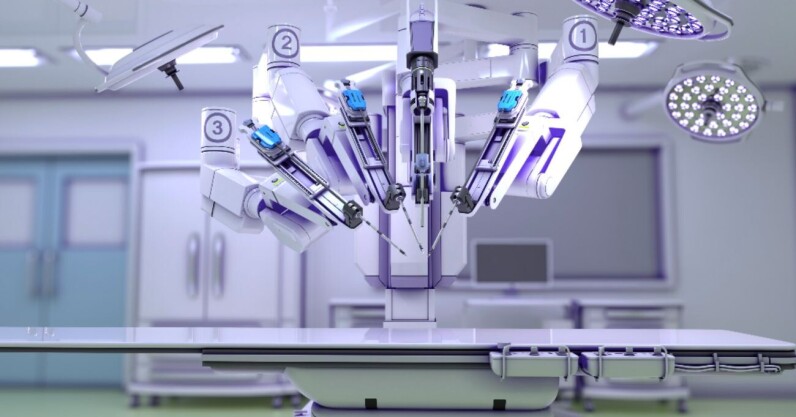
A Spanish hospital has successfully completed what is believed to be the world’s first fully robotic lung transplant.  Surgeons at the Vall d’Hebron University Hospital in Barcelona used a four-arm robot dubbed ‘Da Vinci’ to carry out the procedure. The patient was a 65-year-old man called Xavier, requiring a lung transplant due to pulmonary fibrosis, a life-threatening lung disease.   Typical lung transplants are highly invasive: a 30 cm incision must be made in the chest and multiple ribs broken. This allows surgeons to access a patient’s lung, remove it, and replace it with a healthy lung from a donor.  But…

This story continues at The Next Web

Jewish NYC: A Vibrant Community Surpassing Tel Aviv and Jerusalem

Judaism ranks as the second most prevalent religion in New York City, boasting a Jewish community larger than the combined populations of Tel Aviv and Jerusalem. This vibrant metropolis is home to a diverse array of Jewish traditions, including the Hasidic, Modern Orthodox, Conservative, and Reform movements. New York City’s Jewish heritage can be traced […]

from Crazy Facts https://ift.tt/u2Kb5hE
via gqrds

German creatives wants EU to address ChatGPT copyright concerns


ChatGPT has had anything but a triumphant welcome tour around Europe. Following grumbling regulators in Italy and the European Parliament, the turn has come for German trade unions to express their concerns over potential copyright infringement.  No less than 42 trade organisations representing over 140,000 of the country’s authors and performers have signed a letter urging the EU to impose strict rules for the AI’s use of copyrighted material.  As reported first by Reuters, the letter, which underlined increasing concerns about copyright and privacy issues stemming from the material used to train the large language model (LLM), stated,  “The unauthorised…

This story continues at The Next Web

Wednesday, 19 April 2023

European mission to explore the dark universe sets sail for launch site


The European Space Agency (ESA)’s Euclid satellite has taken another step on its journey to explore the dark universe. On 15 April, Euclid set sail for a port near its launch location in Cape Canaveral, Florida, the ESA announced today. The spacecraft is expected to reach the take-off site at the beginning of May. The launch is due to take place on a SpaceX Falcon 9 in July. After lift-off, Eulic will travel 1.5 million km from Earth to the Lagrange point L2, an auspicious location for studying deep space. From L2, it will start investigating the dark universe. ESA…

This story continues at The Next Web

Celtic Druids: Esteemed Arbiters and Spiritual Leaders

The revered Celtic druids enjoyed numerous privileges, including exemption from taxation and military conscription, and were held in such lofty regard that they possessed the authority to halt conflicts between clashing armies. In addition to their roles as spiritual leaders, these Druids were also responsible for preserving cultural knowledge, maintaining the oral tradition, and serving […]

from Crazy Facts https://ift.tt/KSgPp3n
via gqrds

Green light for €43bn EU Chips Act in big boost for bloc’s semiconductor industry


EU member states reached a provisional agreement on Tuesday for a €43 billion plan to bolster domestic production of semiconductor chips — essential components in everything from phones to cars and refrigerators. The EU Chips Act, proposed by the Commission in February of last year, looks to double the bloc’s global market share in semiconductors from 10% to 20% by 2030.  The act also seeks to build resilience in Europe’s semiconductor supply chain, which is highly dependent on a limited number of foreign suppliers. “Chips are essential for all our digital and digitised products,” said Margrethe Vestager, Danish politician and…

This story continues at The Next Web

Oracle Co-founder’s Eco-Investment Journey on Hawaii’s Lanai Island

Lanai, the sixth-largest island in Hawaii, is predominantly owned by Oracle’s co-founder, who acquired 98% of the island (equivalent to 88,000 acres) for $300 million in 2012. He pledged to invest an additional $500 million over five years to transition the island to renewable energy sources, such as solar and wind power, benefiting its 3,000 […]

from Crazy Facts https://ift.tt/vTWyz2E
via gqrds

Tuesday, 18 April 2023

European VC fundraising on pace for lowest total since 2015, study finds


It’s been a tough start to the year for tech investments. According to a new report, European VC fundraising is on pace for its lowest annual total since 2015. Research by PitchBook, a financial data firm, found that European VC funds raised over €20bn in each of the past four years — but only €3.4bn in Q1 2023. Total VC deal value fell 32% quarter-over-quarter (QoQ) to €11.8bn. Deal count, meanwhile, dropped 19%. Pitchbook called the quarter “the first substantial decline” from the pace set in the past four years. “The VC ecosystem could finally be displaying the effects of…

This story continues at The Next Web

Prompt engineering could be the hottest job in tech, with a paycheck to match


Everybody can breathe out. Next generation artificial intelligence isn’t the existential threat to tech jobs the AI doomers imagined it would be. In fact, Natural Language Processing (NLP) tools such as OpenAI’s ChatGPT, Google Bard, and Bing Chat are not only revolutionising how we access and share information, they’re shaking things up in tech recruitment, too. This fast-changing landscape is spawning tons of new opportunities, and among them is the highly specialised role of the prompt engineer. The prompt engineer is at the coalface of generative AI, responsible for designing the instructions that feed AI tools such as ChatGPT, the…

This story continues at The Next Web

UK can rejoin Horizon without paying for last two years, says EU


The UK has been told it won’t have to pay for the two years it had been out of the EU’s Horizon research programme — removing a big barrier to rejoining the €95.5bn scheme. Britain had been locked out of Horizon because of a post-Brexit dispute over trade in Northern Ireland. The recent Windsor Framework deal had opened the door to reentry, but talks have stalled over the financial terms. The British government argues that its contributions to the seven-year innovation scheme should be cut, because its late entry has reduced the potential returns. A key concern involved the payments…

This story continues at The Next Web

The new wave of climate tech startups capturing carbon across Europe


When Russia invaded Ukraine in February last year, work stopped at thousands of Ukrainian businesses – including carbon capture-focused startup Carbominer.  As tanks approached the capital Kyiv, inhabitants of the city, including employees of the company, were forced to flee for their own safety. Among them was Viktoria Oseyko, chief marketing officer, and her father Nick, founder and chief executive officer of Carbominer. But Ukraine soon retook control of the area. “When the Russian forces were kicked out of the Kyiv region, it was like three or four weeks and the managing team decided to get back,” explains Oseyko. Nick…

This story continues at The Next Web

Monday, 17 April 2023

EU backs 100+ women-founded deep tech startups


The European Commission has announced the results of the second round of Women TechEU — a programme designed to help women-founded deep tech startups scale.   The round, which has a budget of €10m, saw applications from 467 women-founded deep tech startups from across Europe, 134 of which have been selected to participate. It follows on from a successful pilot in 2021 which featured 50 startups. The startups selected for the second round will now each receive an individual grant of €75,000. The female founders will also be offered mentoring and coaching under the European Innovation Council (EIC) Women Leadership Programme,…

This story continues at The Next Web

UK startup Space DOTS wants to test space materials… well, in space


This story is syndicated from the premium edition of PreSeed Now, a newsletter that digs into the product, market, and founder story of UK-founded startups so you can understand how they fit into what’s happening in the wider world and startup ecosystem. The burgeoning industry around space technology is based heavily on hardware, but the materials that hardware is built from need to undergo rigorous testing on Earth before they’re sent out into orbit and beyond. Space DOTS is a startup that wants to transform material testing in the space industry by skipping the tests down here, and sending the…

This story continues at The Next Web

What app developers actually think about the EU vs Apple debate on third-party app stores


Under the European Union’s new Digital Markets Act (DMA), which aims to increase competition, large online platforms, including Apple, must open up their devices to third-party app stores. The DMA also requires these online platforms to permit sideloading, i.e., letting users install software that they download from the Internet. These platforms have until 2024 to comply with the DMA. Passed in 2022, the goal is to prevent dominance of so-called “gatekeepers” within the market and ensure a level playing field for all EU businesses. In particular, EU regulators have been concerned about the advantage Apple currently has in the market…

This story continues at The Next Web

Or just read more coverage about: Apple

Sunday, 16 April 2023

The Girl With the War-Winning Hair

Every day millions of Americans carefully wash, sort, and set out their recycling for collection. But while many might feel proud to be doing their bit to help save the environment, such efforts are minuscule next to the gargantuan recycling effort that accompanied the Second World War. The term “total war” refers to a state in which every facet of a nation’s economy and public life is committed to the prosecution of said war, and no conflict in human history more fully embodied this ethos than WWII. Almost overnight, nearly every commodity imaginable became a strategic material feeding the hungry war machine. Household goods like gasoline, cloth, and staple foods were heavily rationed, scrap metal drives scoured cities and towns for everything from junked cars to toothpaste tubes, housewives collected kitchen drippings to be turned into glycerine for explosives, and in Canada coloured ink became so scarce that comic book publishers were forced to print the now highly-collectible “Canadian Whites.” But few citizens could claim to have possessed a stranger strategic material than Miss Mary Babnik of Pueblo, Colorado.

Born Mitzi Babnik in 1907 to Slovenian immigrant parents, Mary Babnik was famous for her long blonde hair, which by the 1940s had grown to length of 34 inches or 83 centimetres, reaching down to her knees. She typically wore it in a long braid wrapped around her head, earning her the nickname “The Lady with the Crown.” In 1943 Mary was already contributing fully to the war effort, working by day at the National Broom Factory and teaching airmen from the local Air Force base to dance every evening as a USO volunteer.

But when Mary’s brothers were barred from military service on medical grounds, she began to feel that even this wasn’t enough:

“Both of my brothers were deferred and couldn’t go. I was thinking of all those other boys and their families, the ones who had to go. I saw so many people crying their eyes out, not wanting their sons to go. I was sad. I wanted to do something for the war effort.”

Thus, when she saw an advertisement in a local paper calling for blonde, undamaged hair at least 22 inches or 56 centimetres in length, she immediately replied. In November she was contacted by the Washington Institute of Technology, who asked her for a sample. Mary’s hair, which had never been cut, curled, straightened, or washed with anything but natural soap, was exactly what the WIT was looking for, and in 1944 she agreed to have it cut. Though the Government offered her compensation in war savings stamps, Mary refused, considering it her patriotic duty to contribute to the war effort. Nevertheless, the loss of her defining characteristic proved traumatic.

“After I did it I cried and cried. I went to my mother and said, ‘Mama, why did you let me cut my hair?’ It was two months before I went anywhere except to work. After two months, I got used to it. But at first I was so ashamed I wore a bandana to work so people wouldn’t ask me about it.”

Over the years a myth has emerged claiming that Mary Babnik’s hair was used to make the crosshairs in the Norden Bombsight carried aboard American B-17, B-24, and B-29 bomber aircraft. However, this is impossible, as the crosshairs in the Norden are not a separate component but rather etched into the glass of one of the sighting lenses.

So what was it actually used for? While it’s not fully clear in detail, it appears Mary’s hair was used in the manufacture of precision hygrometers for measuring atmospheric humidity – measurements vital to the manufacture of certain aircraft components and countless other war materials where accurate humidity measurement was essential, from the first nuclear weapons to intercontinental ballistic missiles and more.

Despite her initial regret, Mary Babnik soon came to view her curious contribution to the war effort with pride, claiming in a 1990 interview that she would “do it all again.” In 1987 President Ronald Reagan sent her a birthday greeting thanking her for her wartime service, while in 1990 she was presented with a special achievement award from the Colorado Aviation Historical Society. Mary Babnik died in 1991 at the age of 84.

If you liked this article, you might also enjoy our new popular podcast, The BrainFood Show (iTunes, Spotify, Google Play Music, Feed), as well as:

Bonus Fact

The Norden Bombsight – the device that Mary Babnik’s hair was erroneously believed to have been used in – was one of the most closely-guarded secrets of the Second World War. First developed by Dutch-American engineer Carl Norden in the late 1920s, the device was extensively used aboard B-17, B-24, and B-29 bombers throughout the war.

Unlike what is typically depicted in movies, the Norden was not merely a simple telescope and crosshairs for aiming but rather a highly-sophisticated mechanical computer and autopilot that kept the aircraft on a steady course, constantly re-calculated the bombs’ point of impact based on changing flight conditions, and automatically dropped the bombs when the aircraft arrived over the target. In fact, the Norden bombsight is best thought of not as one single device but four.

The first component of the Norden bombsight was the inertial platform, a set of two gyroscopes that kept the sight stable and level relative to the ground regardless of how the aircraft moved around it. The second component was the sighting eyepiece, which looked not straight down but through a motorized prism that gave a view of the target ahead. By adjusting the speed of rotation of the prism so that the target remained fixed in the crosshairs, the bombardier could effectively calculate the groundspeed and the position of the target relative to the aircraft. The sight could then calculate when the aircraft had arrived over the release point and automatically drop the bombs. However, the fall of the bombs was affected by a number of other factors, including altitude, air temperature, and wind direction and velocity; therefore the bombardier had to use the sight’s third component, a mechanical computer, to compensate for these. Throughout the bomb run, he would constantly adjust these values by trial and error in order to keep the target centred in the crosshairs. While early versions of the Norden included a device that signalled course corrections to the pilot to keep the aircraft on correct heading, the finalized Mk. XV model used throughout WWII incorporated a fourth component, an autopilot, to fly the aircraft throughout the bomb run. Thus, on the approach to the target the plane would be flown not by the pilot but rather the bombsight and the bombardier, whose constant wind speed, altitude, and heading corrections would automatically adjust the aircraft’s course.

In prewar testing the Norden displayed phenomenal accuracy, with a Circular Area Probable – the diameter of the circle in which half the bombs could be expected to fall – of only 75 feet. This performance informed the American doctrine of daylight precision bombing, which held that military targets such as factories or marshalling yards could be hit from high altitude with minimal collateral damage  – even if said targets were located within built-up civilian areas. Or, as US aircrew famously put it, that they could drop a bomb into a pickle barrel from 30,000 feet. This accuracy also theoretically allowed Navy aircraft to attack fleets of enemy ships at sea via high-altitude level bombing. The Norden was considered so vital to US air power that its design and production was given top secret status, and bombardiers were made to swear an oath to destroy their bombsight before bailing out of a stricken aircraft – either by heaving it overboard or emptying their service pistols into the mechanism.

Yet despite this vaunted reputation as a top-secret war-winning weapon, under actual combat conditions the Norden’s performance proved decidedly lacklustre, its CEP growing to over 1200 feet – about the same as far simpler British and German bombsights. Aircrew flying daylight raids also ran into the same problem faced by the British earlier in the war, namely that flying straight and level over a target for minutes on end tended to make bombers extremely vulnerable to enemy fighters and antiaircraft fire. Who knew? While high casualties had forced the British to switch to night raids and area bombing whereby entire cities were targeted rather than individual targets, the USAAF persisted with daylight raids, instead developing new tactics to improve bombing accuracy and aircraft survivability. These included the combat box – a special flight formation in which bomber gunners could better defend each other against fighter attack – and the lead bomber tactic, in which only a single aircraft would use its Norden to find the target, with the other bombers in the formation dropping their bombs on its command. Regardless, bombing proved almost impossible to achieve and the USAAF increasingly began adopting less discriminate area bombing tactics. Meanwhile, the Navy largely abandoned its Norden bombsights and embraced dive bombing and skip bombing to more accurately attack enemy ships.

Despite extensive attempts to keep its design a secret, details of the Norden’s operation did fall into German hands through both espionage and crashed aircraft. However, little attempt was made to reverse-engineer it due what the Germans saw as its unnecessary complexity. And despite its failure to live up to expectations, the Norden was the best the US military had and served through the rest of the war – being used to drop both Atomic Bombs – and soldiered on through Korea and Vietnam, its last use occurring in 1967 when it was used to drop electronic sensors onto the Ho Chi Minh Trail.

Expand for References

A.F. Lauds Woman Who Gave Hair, Deseret News, November 19, 1990, https://www.deseret.com/1990/11/19/18891930/a-f-lauds-woman-who-gave-hair-br

Mary Babnick Brown, Pueblo County, Colorado, https://www.kmitch.com/Pueblo/bios0094.html

Adams, Doug, The Blonde and the Bomber: The Hair That Whipped Hitler, Life in the Delta, February 2011 https://web.archive.org/web/20140103223130/http://digitalpublication.lifeinthedelta.com/display_article.php?id=635505

Woman’s Locks Key to Sights, Star News, November 22, 1989, https://news.google.com/newspapers?id=nbMsAAAAIBAJ&pg=6557,2626572

The Politics, Pickle Barrels, and Propaganda of the Norden Bombsight, Museum of Aviation Foundation, April 23, 2016, https://ift.tt/Di1rKV6


Tillman, Barrett, Norden Bombsight: The Pickle Barrel War, Flight Journal Magazine, Winter 2001

The post The Girl With the War-Winning Hair appeared first on Today I Found Out.


source http://www.todayifoundout.com/index.php/2023/04/the-girl-with-the-war-winning-hair/

The Gruesome Tale of the Laughing Death Epidemic

The symptoms were gradual but inexorable. It began with headaches, joint pain and tremors in the hands and feet, mild at first but growing steadily in intensity. The victims’ movements became increasingly uncoordinated and clumsy, their stance and gait unsteady. Soon they were unable to walk at all, racked by severe tremors and muscle spasms. And then came the most alarming symptoms of all, as victims began bursting into tears or uncontrollable laughter without provocation. Confusion, delirium, and paralysis followed, until they were unable to move, speak, eat, or make eye contact. Finally, 12 months after the onset of symptoms, came the inevitable arrival of death. This was Kuru, a terrifying and incurable neurodegenerative disease that for nearly 100 years terrorized the Fore [“four-ay”] people of Papua New Guinea. For more than half a century the origins of Kuru remained a mystery, until in the 1960s groundbreaking research revealed it to be caused not by a bacterium, virus, parasite, or even a fungus, but something far stranger.

In 1914, in the early stages of the First World War, the Australian army invaded and occupied the Imperial German colony of New Guinea. What eventually became known as Papua New Guinea would remain under Australian control for another 70 years, and over the following decades missionaries and Colonial Patrol Officers or “Kiaps” penetrated deeper and deeper into the interior in an attempt to bring christianity and western legal, administrative, and medical practices to the indigenous peoples of the island. In the early 1950s, reports began filtering back from Colonial officials of a strange and incurable disease plaguing the indigenous people of the Eastern Highlands, including the Fore and neighbouring Awa, Yate [“yatt-ay”], and Usurfa. Known to the Fore as kuru, from the word kuria meaning “to shake” or “to tremble,” the disease caused a progressive loss of muscular control and invariably death. Kuru was also known as “nagi-nagi” or “laughing sickness” after the tendency of victims to burst into spontaneous laughter in the latter stages of the disease. Thought to have originated sometime in the early 1900s, by the 1950s Kuru had grown into a full-blown epidemic, killing around 200 Fore – or 1% of the population – every year.

The first westerner to describe Kuru was Colonial patrol officer Arthur Carey, who observed in a 1951 report that the disease disproportionately affected Fore women and children over the men. The disease was also described by anthropologists Ronald and Catherine Berndt in 1952 and patrol officer John McArthur in 1953. However, all dismissed the epidemic as a purely psychosomatic phenomenon, a form of mass hysteria deriving from Fore beliefs in witchcraft and spirit possession. Indeed, the Fore themselves initially believed that Kuru to be caused by malicious sorcerers from rival groups, who would acquire parts of the victim’s body such as hair or nail clippings and combined with clothing, leaves, blood and other materials to form a “kuru bundle.” The sorcerer would then shake the bundle daily until the telltale tremors of kuru were induced in the intended victim.

However, American virologist Daniel Gajdusek and physician Vincent Zigas strongly doubted that Kuru could be purely psychological, writing to Ronald Berndt that:

“…our current opinion [is] that fatal kuru cannot by any stretch of the imagination be identified with hysteria, psychoses or any known psychologically induced illnesses. The evidence for direct nervous system damage is far too great in the strabismus [drooping or crossed eyes], and pictures of advanced neurological disease shown by the advanced cases.”

Consequently, in 1957 Gajdusek and Zigas launched the first proper scientific study of Kuru. Their analysis,  published in the Medical Journal of Australia, suggested that Kuru might be genetic in origin, passed down along family lines. However, confirmation of this hypothesis would require closer study of kinship among the Fore. So in 1961, medical researcher Michael Alpers and anthropologist Shirley Lindenbaum, using a research grant from the Rockefeller Foundation, travelled to the Eastern Highlands of Papua New Guinea to conduct a thorough anthropological and epidemiological study of the Fore.

Over the next two years, Alpers and Lindenbaum discovered that kinship among the Fore was not strictly based on biological relatedness, but rather a complex system of social association and bonding with neighbouring individuals. Kuru, they found, spread mainly along kinship lines and not strictly between biologically-related individuals, making it unlikely that it was transmitted genetically. Epidemiological data further ruled out transmission by air, insects, or contaminated water. So, just how was it transmitted? The unexpected answer would stun the scientific community and open a strange new chapter in the study of human disease: Kuru, Alpers and Lindenbaum discovered, was spread through cannibalism.

At the time, the Fore People practiced a form of what is known as mortuary cannibalism, ritually consuming the bodies of deceased family members as a means of honouring the dead and returning their spirit or “life force” to the community. Bodies would be buried for several days until they were infested with maggots before being exhumed and dismembered, cooked, and eaten communally, the maggots being served as a side dish. And while the Fore avoided the bodies of those who had died of dysentery, leprosy, and other diseases, those who succumbed to Kuru were still regularly consumed.

The more Alpers and Lindenbaum observed, the more convinced they became that this practice was at the heart of the Kuru epidemic. For example, preparation of the bodies was performed almost exclusively by women, who were also far more likely to engage in cannibalism than men. There were two main reasons for this: first, Male Fore believed that eating human flesh would weaken them in times of war. Second, women’s bodies were thought to be better able to tame the absorbed spirits of the dead. More telling still, the brain – the organ most affected by Kuru – was also largely consumed by women and children, while men, when they did engage in cannibalism, preferred to eat the bodies of other men. Together, these facts seemed to explain why Kuru affected predominantly women and children, with only around 3% of Fore men succumbing to the disease.

Yet despite this compelling evidence for Kuru’s origins and transmission route, scientists still did not know what actually caused the disease. In order to find out, in 1968 Alpers collected brain sample tissues from the body of an 11-year-old Fore girl who had died of Kuru and delivered them to Daniel Gajdusek at the National Institutes of Health. Along with collaborator Joe Gibbs, Gajdusek ground up the samples and injected them into the brains of chimpanzees. Within two years the apes began showing the telltale signs of kuru: severe tremors, gradual loss of muscular control and cognitive function, and finally death. When Gajdusek and Gibbs autopsied the animal, they found that its brain – particularly the cerebellum, which controls muscular coordination – was riddled with millions of microscopic holes, giving it the appearance of a sponge or Swiss cheese under the microscope. This experiment not only confirmed that Kuru was spread via infected tissue and that it directly attacked the brain, but was also an extremely rare instance of a disease jumping from one species to another in a laboratory setting and the first known case of a contagious neurodegenerative disorder. But while this research would earn Gajdusek the Nobel Prize in Physiology and Medicine in 1976, he was ultimately unable to isolate the actual pathogen responsible for Kuru. Experiment after experiment ruled out bacteria, viruses, fungi, and protists, leaving the actual causative agent a baffling mystery.

The mystery of Kuru would not be solved until the late 1970s, when Gajdusek, along with British researchers E.J. Field, Tikvah Alper, and John Griffith, noted striking similarities between Kuru and the ailments scrapie and Creutzfeldt-Jakob [“kroyts-felt yah-cob”] disease or CYD. Scrapie, first described in the 18th Century, is a disease affecting mainly sheep and goats, named for the itching sensation that causes afflicted animals to scrape their skin raw on trees and fences; while CYD is a rare human neurodegenerative disorder first described in the 1920s. Like Kuru, both are untreatable and invariably fatal. In a series of groundbreaking experiments, Griffith demonstrated that scrapie could be transmitted via infected brain tissue which had been completely sterilized, and that the causative agent, whatever it was, was resistant to destruction by heating, ultraviolet light, and ionizing radiation. This lead Griffith to a radical conclusion: that these diseases were caused not by conventional pathogens, but something far stranger: rogue misshapen proteins called prions.

Unlike bacteria, protists, fungi or – depending on which side of a particularly heated scientific debate you happen to stand – viruses, prions – a contraction of proteinaceous infectious particles – are not actually alive. Rather they are proteins, of the same types that make up the bodies of healthy humans and animals. However, prions are the Mr. Hyde to the original protein’s Dr. Jekyll, a misshapen, deformed variant incapable of performing its original biological function. When a prion enters the body, it latches on to another, normal version of the same protein, causing it to transform into the same mutated form as itself. This in turn triggers a deadly chain reaction, gradually transforming and destroying the entirety of the host tissue. Though prion diseases are typically acquired from other infected hosts, they can occur spontaneously when normal proteins mutate into a malignant form, triggering the same transformational chain reaction. Indeed, it is now believed that Kuru in New Guinea originated sometime in the early 1900s when an unknown individual spontaneously developed the disease, and gradually spread through the Fore population via mortuary cannibalism.

The sponge-like holes the prions inflict in the victim’s brain tissue are what give Kuru, CYD, scrapie, and similar diseases their collective name: transmissible spongiform encephalopathy. If that name sounds familiar, it might be because prions are also responsible for bovine spongiform encephalopathy or BSE, better known as “Mad Cow Disease.” Like Kuru, BSE is also spread through cannibalism, though of a rather different sort. In the 1980s and 1990s, a massive outbreak of BSE in the UK was linked to the use of Meat-and-Bone Meal or MBM in animal feed. MBM is rendered from the parts of slaughtered animals considered unfit for human consumption, including blood, bone, hooves, horn, skin, and  – most relevant to the transmission of BSE – brain and nerve tissue. The transmission of BSE via infected animal feed devastated the UK livestock sector, triggering worldwide bans on British beef, killing hundreds of cows outright, and resulting in four million animals being slaughtered and incinerated in an attempt to contain the outbreak. Even more tragically, 177 people contracted Variant Creutzfeldt-Jakob Disease, the human form of BSE, from eating contaminated beef, with all invariably succumbing to the disease. In the wake of the outbreak, the UK banned the use of MBM for the feeding cows, sheep, goats, and other ruminant animals, though it remains a common ingredient in pet food.

Though their existence had been theorized for over a decade, prions were not isolated in the laboratory until 1982 by American researcher Stanley Prusiner of the University of California, earning him the 1997 Nobel Prize in Physiology and Medicine. This discovery of a brand-new infectious agent opened up a brand-new field in the study of communicable diseases, and lead geneticists to rethink certain assumptions regarding the transmission of structural information between genes and proteins. Some scientists now also suspect that Alzheimer’s disease may also be caused by a type of prion, opening exciting new avenues of research for the treatment of this disease, which afflicts up to 30 million people worldwide every year.

Yet despite this new understanding, mysteries still surrounded Kuru, the first human prion disease to be positively identified. Even before cannibalism was suspected as the cause of Kuru, the practice was strongly discouraged by missionaries and Colonial patrol officers. By the 1960s, when Alpers and Lindenbaum began their groundbreaking study, the Fore had all but abandoned mortuary cannibalism. However, the epidemic continued for decades, with deaths between 1987 and 1995 averaging 7 per year. It is now known that Kuru has an extremely long latency period, ranging anywhere from 3 to 50 years between infection and the onset of symptoms, allowing cases to appear long after the abandonment of cannibalism. Indeed, the fact that nobody born after 1960 has ever contracted the disease has served to confirm the link between Kuru and the practice of mortuary cannibalism.

Thankfully, however, there is reason to believe that after more than 100 years, the Kuru epidemic may at last be over. The last person died of Kuru 2009, and no new cases have been reported as of 2010. Even more encouragingly, it appears as though Fore may actually have developed immunity to Kuru, shielding them from future outbreaks. A 1996 study conducted by a team from University College London found a high prevalence of a gene mutation called G127 among the Fore, which prevents malignant prions like Kuru from infecting the brain. Genetic analysis has further revealed that this mutation appeared as recently as 10 generations ago. As John Collinge, a researcher at University College’s Prion Unit remarked:

“It’s absolutely fascinating to see Darwinian principles at work here. This community of people has developed their own biologically unique response to a truly terrible epidemic. The fact that this genetic evolution has happened in a matter of decades is remarkable.”

So for all you aspiring Hannibal Lecters out there, the tragic case of Kuru provides yet one more reason why – outside of extreme survival situations – cannibalism is rarely a good idea. Better to pair your fava beans and chianti with something slightly less exotic.

If you liked this article, you might also enjoy our new popular podcast, The BrainFood Show (iTunes, Spotify, Google Play Music, Feed), as well as:

Expand for References

Alpers, Michael, The Epidemiology of Kuru in the Period 1987 to 1995, Australian Government Department of Health, December 31, 2005, https://www1.health.gov.au/internet/main/publishing.nsf/content/cda-cdi2904i.htm

Weiler. Nicholas, Alzheimer’s Disease is a ‘Double-Prion Disorder’, Study Shows, University of California San Fransisco, May 1, 2019, https://www.ucsf.edu/news/2019/05/414326/alzheimers-disease-double-prion-disorder-study-shows

Stanley B. Prusiner – Facts, The Nobel Prize for Physiology and Medicine 1997, https://www.nobelprize.org/prizes/medicine/1997/prusiner/facts/

Press Release: Baruch S. Blumberg and D. Carleton Gajdusek, Karolinska Institutet, October 14, 1976, https://www.nobelprize.org/prizes/medicine/1976/press-release/

Kelleher, Colm, Brain Trust: the Hidden Connection Between Mad Cow and Misdiagnosed Alzheimer’s Disease, Paraview Piocket Books, New York, 2004, https://books.google.ca/books?id=AGAhAtI3kJEC&q=Gajdusek+drill+holes&pg=PA53&redir_esc=y#v=onepage&q=Gajdusek%20drill%20holes&f=false

Lindenbaum, Shirley, An Annotated History of Kuru, April 14, 2015, http://journals.ed.ac.uk/index.php/mat/article/download/4590/6242?inline=1

Kompoliti, K & Ferguson-Smith, M, Kuru (Disease), ScienceDirect, https://www.sciencedirect.com/topics/medicine-and-dentistry/kuru-disease

Liberski, Pawel et al, Kuru, the First Human Prion Disease, Viruses, March 2019, https://www.ncbi.nlm.nih.gov/pmc/articles/PMC6466359/

Brain Disease ‘Resistance Gene” Evolves in Papua New Guinea Community; Could Offer Insights into CJD, Science Daily, November 21, 2009, https://www.sciencedaily.com/releases/2009/11/091120091959.htm

Liberski, P & Brown, P, Kuru: Its Ramifications After Fifty Years, Experimental Gerontology, 2008, https://hal.archives-ouvertes.fr/hal-00499057/file/PEER_stage2_10.1016%252Fj.exger.2008.05.010.pdf

Bichell, Rae, When People Ate People, a Strange Disease Emerged, NPR, September 6, 2016, https://ift.tt/bNyvh0F

Rudan, Igor, The Laughing Death, https://irudan.medium.com/the-laughing-death-edba313c6791

Lagnado, John, From Pabulum to Prions (via DNA): a Tale of Two Griffiths, Past Times, https://ift.tt/1TNg6Zn

The post The Gruesome Tale of the Laughing Death Epidemic appeared first on Today I Found Out.


source http://www.todayifoundout.com/index.php/2023/04/the-gruesome-tale-of-the-laughing-death-epidemic/

Friday, 14 April 2023

Europe’s Juice space mission blasts off toward Jupiter


The ESA’s Jupiter Icy Moons Explorer mission — ‘Juice’ — successfully launched today from Europe’s spaceport in Kourou, French Guiana.     The launch was supposed to take place yesterday but was postponed due to poor weather conditions.  Today, the stars aligned and Juice was successfully blasted into orbit at approximately 14:19 CEST. It took only two minutes for the Ariane 5 rocket to transport Juice into space, shortly after which it separated from the satellite, which now begins its 8-year journey to Jupiter.   Juice will make the 6.6 billion km trip to study three of Jupiter’s 92 known moons: Ganymede,…

This story continues at The Next Web

Ireland’s Neuromod gets €30M to increase reach of tinnitus treatment tech


Anyone who has ever experienced phantom ringing in their ears knows that it is a nuisance to say the least. Those who have tinnitus – hearing continuous ringing, buzzing, humming or even roaring sounds – often experience anxiety and depression as a result.  The condition affects approximately 15% of the global adult population. However, treatment has remained elusive, with those afflicted left to find their own ad hoc mitigation solutions.  Neuromod, a medtech startup from Ireland, is looking to change that. The company has just received €30 million in funding to further commercialise its tinnitus treatment device, Lenire.  A different…

This story continues at The Next Web

Germany and Intel in funding dispute over €17bn chip plant


Intel’s plan to construct a massive chip plant in Magdeburg, Germany, is arguably the centrepiece of the EU’s strategy to ramp up domestic production of semiconductors.  But cash flow has proven to be a major stumbling block for the mega-project. Intel attributes this to rising costs, partly a result of Russia’s invasion of Ukraine.  To close the funding gap, last month, the US semiconductor giant requested an additional €4-5 billion euros in subsidies to construct the plant. But German officials want Intel to meet them in the middle — they will consider boosting subsidies, but only if the company is…

This story continues at The Next Web

Or just read more coverage about: Intel